ServicesHome Equity Loans & HELOCs
Home Equity Loans & HELOCs in Lithonia
The roof is near its end, or the AC is on borrowed time. A home equity loan or HELOC lets you pay for that upkeep from the value you've already built. Your first mortgage and its rate stay as they are. We'll help you choose the right fit.

Using equity to take care of what you own
Both products are second mortgages. They sit behind your current loan and leave it alone. A home equity loan pays out one lump sum at a fixed rate, with steady monthly payments. A HELOC works more like a credit line. You draw what you need during a set draw period, usually at a variable rate, and then repay over a longer stretch.
We see most people use them for the projects that keep a property sound for decades: a roof, a water heater, foundation drainage, windows, or an aging HVAC unit after a long Georgia summer. Spending equity on upkeep tends to protect the value it came from. That's the kind of borrowing we like to help with.
If you have a low rate on your first mortgage, keeping it is often the deciding factor. If that rate is high anyway, a cash-out refinance may serve you better, and we'll tell you so.
What our help includes
Loan or line, explained plainly
We walk through which one suits your project. One big bill with a known price usually points to a fixed home equity loan. Work that happens in stages often fits a HELOC better.
An honest equity estimate
Before anything is ordered, we sketch what your property may be worth, subtract what you owe and show roughly how much lenders may let you borrow against it.
Side-by-side payment comparisons
You'll see monthly payments for each option written out, including how a HELOC payment can change once the draw period ends.
Paperwork and appraisal coordination
We gather the documents, order the valuation and keep the file moving so you aren't chasing anyone.
A loan officer who stays with you
The same person answers your questions from the first phone call through closing. Meetings happen at our office, or by phone and video if that's easier.

Signs a home equity loan or HELOC may fit
- A big upkeep bill is coming
- A contractor has told you the roof or furnace has a year or two left. Planning the financing now beats putting it on a high-interest credit card later.
- Your first mortgage rate is low
- You don't want to refinance away a rate you're happy with. A second mortgage lets you borrow without touching it.
- You've paid down a good chunk
- Years of payments plus rising values may have left you with real equity sitting idle.
- Your project comes in phases
- Kitchen this spring, siding next year. A HELOC lets you draw as each phase starts and pay interest only on what you've used.
- Credit card balances are piling up
- Some borrowers use equity to pay off costly card debt. We'll talk honestly about whether that helps or just moves the problem.
How it works, start to finish
- 1
A free consultation
You tell us about the project and your current mortgage. We give you a straight read on whether equity borrowing makes sense, with no pressure to apply.
- 2
Documents and a credit review
We collect income records, your mortgage statement and proof of insurance on the property, then review credit together.
- 3
Appraisal
An appraiser or valuation service confirms what the property is worth. That number sets how much you can borrow.
- 4
Closing and funding
You sign at closing. On a primary residence, federal rules give you a short window to change your mind before funds are released. After that, a home equity loan pays out in full and a HELOC opens for draws.
What shapes your rate and costs
No two equity loans are priced the same. The cost depends on your numbers, the property and the product you choose. We go over each factor on the phone so nothing at closing catches you off guard.
- Combined loan-to-value
- Lenders add your first mortgage balance to the new loan and compare that total to the property value. More equity left untouched usually means better terms.
- Credit score and debt-to-income
- Your credit history and how much of your monthly income already goes to debt both move the rate.
- Fixed loan or variable line
- A home equity loan locks the rate. A HELOC rate often follows a market index, so payments can rise or fall over time.
- Second lien position
- Because the lender stands behind your first mortgage if anything goes wrong, rates on second mortgages generally run higher than on first mortgages.
- Appraisal and closing fees
- Valuation, title work and recording fees vary by lender and loan size. We list them clearly before you commit.
Questions about home equity loans and HELOCs
- Will this change my current mortgage?
- No. Your first mortgage keeps its rate, balance and payment. The equity loan or HELOC is a separate second loan with its own payment.
- How much can I borrow?
- It depends on the appraised value, what you still owe and how much combined borrowing a lender allows. Most cap the total at a set share of the property's value. We'll run your estimate during the free consultation.
- What happens when a HELOC's draw period ends?
- You stop drawing and start repaying principal plus interest, so the payment usually goes up. We show you that future payment up front so you can plan for it.
- Is the interest tax deductible?
- Sometimes, depending on how you use the money and your overall tax picture. We're not tax advisors, so we suggest checking with yours before you count on a deduction.
- I'm retired. Is this still an option?
- It can be, as long as your income supports the payment. If you'd rather not take on a monthly payment, we can also talk through reverse mortgages as an alternative.
- Do I have to come to the office?
- No. Many clients in Lithonia, Stonecrest and Conyers handle everything by phone and video, then meet only for closing.
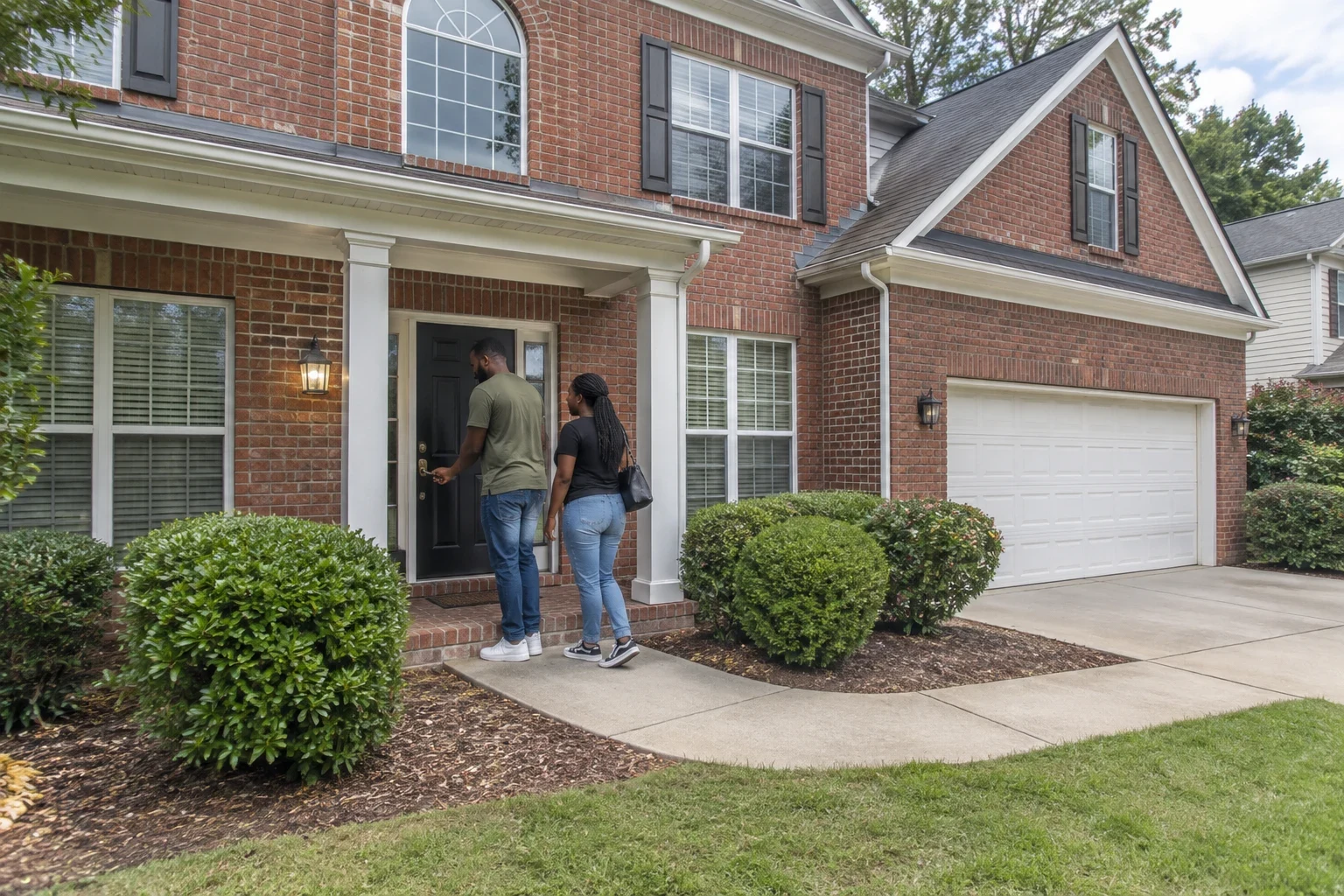
Put your equity to work on what matters
Tell us about the project and your current loan. We'll show you what you could borrow and what the payment looks like, so you can decide without guesswork.